Innovation & Future Businesses
Shaping innovation and making decisions with artificial intelligence
Trusted by leading companies






Make clearer decisions.
Build business models fit for the future.
Seize opportunities earlier.
Reshape everyday innovation work. Combine entrepreneurial judgment and machine intelligence with confidence.
AI is changing the reality of innovation
Generative models, Predictive Analytics and intelligent tools are changing how decision-makers develop ideas, validate business models and open up markets.
Rising complexity, faster development cycles
Anyone who bases innovation on experience and intuition alone loses speed, quality and impact in disruptive markets.
The St. Gallen approach to leading innovation through digital change
Connect innovation, new business models and AI systematically – strategically sound, culturally anchored and workable in practice.
Bringing innovation and artificial intelligence together systematically
Innovation now decides between market leadership and standstill. AI is the decisive game changer: it breaks open industry logics, accelerates development cycles and fuels business models that were unthinkable only yesterday.
The seminar shows how decision-makers anchor innovative strength in strategy, organization and culture – and use AI as a working tool to take calculated risks, seize opportunities deliberately and turn ideas into marketable solutions more quickly.
Building on the St. Gallen Integrated Framework, Decision Intelligence, data literacy, new business models and personal innovation routines are systematically aligned with one another and linked to strategy, foresight and digital transformation. Companies learn to switch deliberately between optimization mode and the Explore Zone – the precondition for experiments, disruptive adjustments and genuine transformation.
Through methods, case examples and transfer work, participants develop their personal innovation playbook – a hands-on instrument for turning fragmented initiatives into a coherent innovation practice that supports growth and entrepreneurial success.
For decision-makers who use innovation and AI to drive growth
The seminar is aimed at executives, top management and leaders responsible for innovation, strategy, general management, business development, product management, IT, transformation and other functions that drive innovation.
It focuses on decision-makers who want to harness innovation and AI for growth and future viability and to develop their innovation and decision-making practice further – strategically sound and close to everyday work.
From the innovation decision to transfer
Modules build on one another and connect innovation management, Decision Intelligence and hands-on AI application. Click a module to see its focus areas.
Innovation & Future Businesses rethought with AI
You will see how AI-based models become part of your day-to-day innovation work – as sparring partner, source of ideas and assistant. Classic innovation thinking is combined with data-driven methods to free up time for the innovation decisions that really matter. The aim: spot future businesses earlier and make decisions with greater effect.
Focus areas- Understand the role and impact of AI in everyday innovation work
- Use AI as a sparring partner, source of ideas and assistant in the innovation process
- Combine creativity and experience with data
- Redesign decision architectures for complex innovation questions
- Apply tools for fast, robust innovation decisions in a management context
- Clarify responsibility and transparency when working with new methods
- Rule out misinterpretation in innovation decisions
- Win back time for strategic innovation work
Decision Intelligence – faster clarity and better quality in innovation decisions
Data-driven methods change how you assess ideas, prioritize options and make innovation decisions. The seminar shows how to raise the quality, speed and consistency of your decisions measurably – without any loss of rigor.
Focus areas- Understand data-driven systems and integrate them into innovation decision processes
- Use Predictive Analytics for market and customer needs
- Prepare data-driven innovation decisions and back them up
- Apply simulations to risk, opportunity and resource management
- Separate relevant data from irrelevant – focus on what matters
- Create transparency across innovation portfolios
- Increase speed and accuracy in decision-making rounds
- Safeguard decision quality through structured reflection
Strategy & Future Readiness
You combine strategic thinking with AI-based methods. The focus: how innovation is anchored strategically in the St. Gallen Integrated Framework – and where entrepreneurial leadership remains irreplaceable.
Focus areas- Apply innovation management within the St. Gallen Integrated Framework
- Link corporate strategy with the innovation and AI agenda
- Develop future scenarios for innovation strategies, structures and processes with AI
- Strengthen competitiveness and resilience
- Create structures that sustain continuous innovation
- Build an innovation radar, trend monitoring and strategic early-warning systems
- Clarify governance and responsibilities in the innovation process
- Reflect on international best practices and transfer them
- Measure the impact of strategic initiatives with suitable KPIs
Business model innovation – from idea to market
Turn ideas into marketable solutions systematically: data-driven, fast and calculated. Practical tools and best practices help you identify growth potential and realize it successfully.
Focus areas- Use AI to develop new business models
- Spot and assess growth potential early
- Run prototyping and validation with digital tools
- Design new revenue models for the platform and data economy
- Take calculated risks and manage them actively
- Analyze successful business cases and apply them to your own organization
- Prepare scaling and market penetration
- Underpin investment decisions with analyses and simulations
Managing your day-to-day innovation work effectively
New tools change routines, communication patterns and the logic of delegation in the innovation process. You learn how to use them deliberately for idea generation, prototyping, analysis and prioritization – without giving up your leadership role.
Focus areas- Use GenAI for idea generation, prototyping and creative processes
- Approach the analysis and preparation of innovation decisions in a structured way
- Shorten development cycles and speed up market launches
- Make your own working routines more efficient
- Delegate tasks sensibly – and keep your leadership presence where it is irreplaceable
- Find the balance between intuition, experience and data-based support
- Reduce information overload, increase focus and impact
- Use AI for innovation workshops, reporting and stakeholder communication
Spotting disruption, competition and market shifts earlier
You analyze market shifts, competitors and disruptive trends with modern methods – and translate the signals into strategic innovation priorities, differentiation and resilience.
Focus areas- Recognize disruptions early and read them correctly
- Use foresight and scenarios for innovation decisions
- Deploy first-mover strategies with AI
- “Smart second mover”: seize opportunities without high risks
- Combine technology and innovation strategies effectively
- Balance the performance zone and the explore zone
- Open up international market opportunities and attractive niches systematically
- Professionalize risk management with AI-based models
- Adapt organizational models, responsibilities and interfaces to market dynamics
Innovation culture, roles and communication
Managers create the conditions for bold innovation. This module covers role expectations, space for experimentation, communication with stakeholders and investors, and alignment between the executive board, management and innovation teams.
Focus areas- Shape an innovation-friendly organization with AI
- Establish new roles in management: from the data-literate executive to the innovator
- See leadership as an enabler of creativity and risk-taking
- Establish structures for experimentation and learning
- Enable teams to use uncertainty productively
- Guide cultural change and a focus on values in the innovation process
- Use AI to present complex innovation projects clearly
- Convince investors and stakeholders of long-term innovative strength
- Present business cases, pitches and statements clearly and coherently
Governance, ethics and responsibility in the use of AI
AI changes not only innovation decisions but also responsibility, liability and trust.
The seminar treats AI not as uncritical hype but as a responsible instrument of innovation for lasting impact and decisions that carry legitimacy.
Focus areas- Develop governance structures for AI-supported innovation leadership
- Clearly define responsibility, liability and roles in the use of AI
- Take data protection, compliance and regulatory requirements into account
- Anchor ethical guardrails for using AI in the innovation process
- Strengthen acceptance among employees, customers and stakeholders
- Address false incentives and misinterpretations systematically
- Ensure quality assurance and auditability of AI-supported innovation decisions
- Analyze successful AI innovations from a range of industries
- Assess and communicate the limits and risks of AI in the innovation process realistically
- Balance human responsibility and technological possibilities sensibly
Transfer into your own leadership practice
Innovation only takes effect when it is implemented consistently. You identify the biggest levers in your own area of responsibility and develop your personal innovation playbook – strategically grounded and ready to connect directly to your leadership practice.
Focus areas- Review your own innovation and decision-making practice in a structured way
- Recognize strengths, gaps and untapped potential
- Translate case studies and best practices into concrete results
- Bundle fragmented initiatives and align them for shared impact
- Derive concrete measures for your own area of responsibility
- Develop a personal innovation roadmap as a 30/60/90-day plan
- Develop your personal innovation playbook for everyday leadership
- Prepare the transfer into your organization, team and everyday innovation work
Leading innovation with greater confidence
You will lead innovation with greater confidence: you understand how AI changes innovation decisions, how to combine data and creativity meaningfully, and how strategy, business models, culture, governance and personal innovation routines interact.
You gain concrete starting points for turning fragmented initiatives into a coherent innovation practice – with clearer decisions, faster development cycles and closer alignment between strategy, management and organization. You also develop your personal innovation playbook for more speed, quality and impact in everyday work.
- Make innovation decisions that are clearer, faster and better
- Spot disruptions, opportunities and market shifts earlier
- Underpin new business models and investment decisions with data
- Shorten development cycles and speed up market launches
- Shape innovation culture, roles and space for experimentation
- Use AI responsibly, ethically and in line with compliance
- Develop your personal innovation playbook for everyday leadership
That is how you strengthen innovative capacity, decision quality and entrepreneurial impact in your organization.
Five features that make the difference
-
The St. Gallen management approach
Innovation, business models, strategy and AI are not treated in isolation but understood as one integrated leadership task.
-
Practice, not theory
Clear principles, effective tools, case examples and transfer work carry what you learn straight into your company, where it takes effect immediately.
-
Peer-to-peer exchange
High-caliber participants from different functions, industries and companies contribute their own experience, questions and perspectives.
-
Outstanding faculty
Lecturers from practice and academia combine conceptual grounding with hands-on innovation practice and current AI applications.
-
Impact & Network
Peer learning, the alumni community, masterclasses and a personal implementation roadmap secure impact beyond the seminar – and open the door to further programmes and seminars at the StGallen imt Business School.
Key information at a glance
All the key facts about the “Innovation & Future Businesses” management seminar – and the dates you can currently book.
- LocationSt. Gallen
- Duration3 days · optional with ECTS
- LanguageGerman / English
- Target groupManagers, emerging leaders, entrepreneurs
- InvestmentCHF 2,400 · plus 8.1% VAT
- NetworkStGallen imt Alumni
Available seminar dates
The following dates are available as alternatives. Corporate dates can be scheduled individually – contact us.
-
19.-21.11.2026
-
18.-20.03.2027
-
22.-24.07.2027
-
30.09.-02.10.2027
-
16.-18.03.2028
-
20.-22.07.2028
-
28.-30.09.2028
Who you will share the seminar room with
The management seminar brings together ambitious participants from a wide range of industries and countries.
Confidence in our expertise
Experiences from our network
Insights and perspectives from participants, lecturers and partners of the StGallen imt Business School.
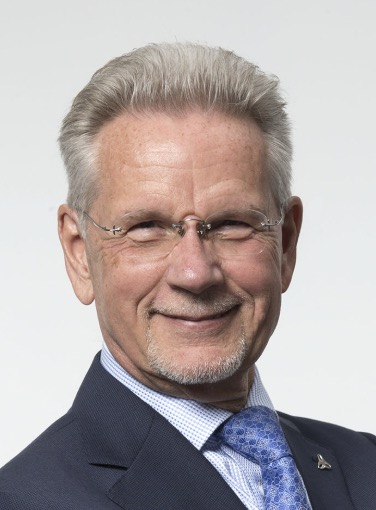
The StGallen imt Business School was decisive for my path to the executive board. Practical impetus, strategic clarity and valuable perspectives gave me the best possible toolkit for leading a company successfully.












Inside the learning environment
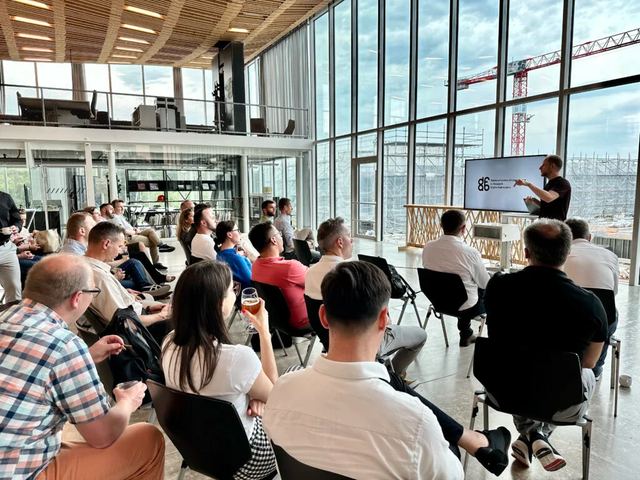
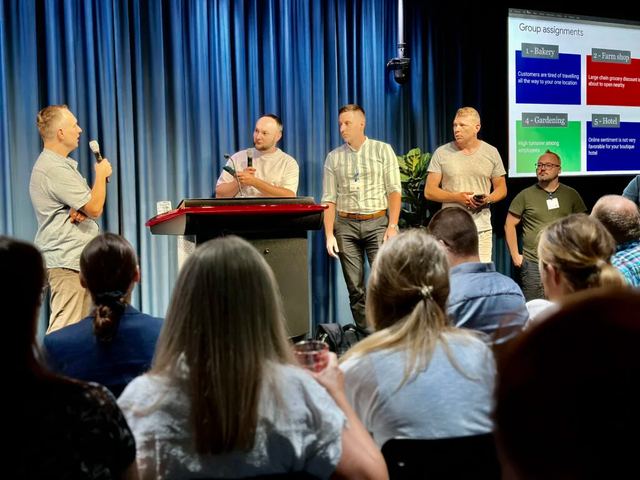
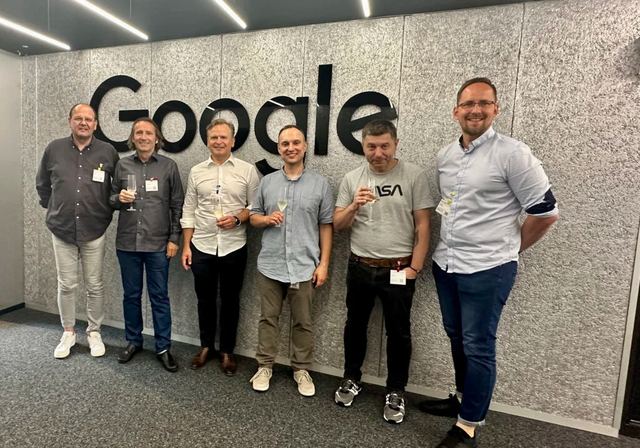
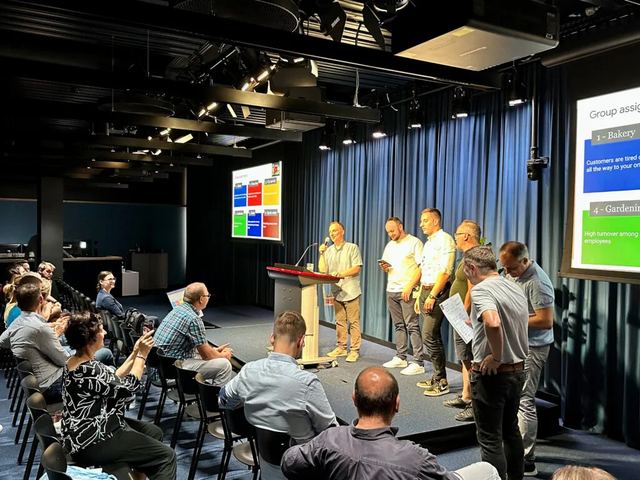
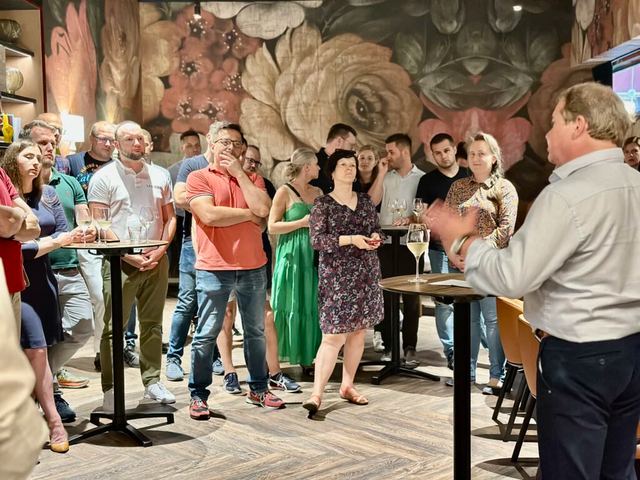
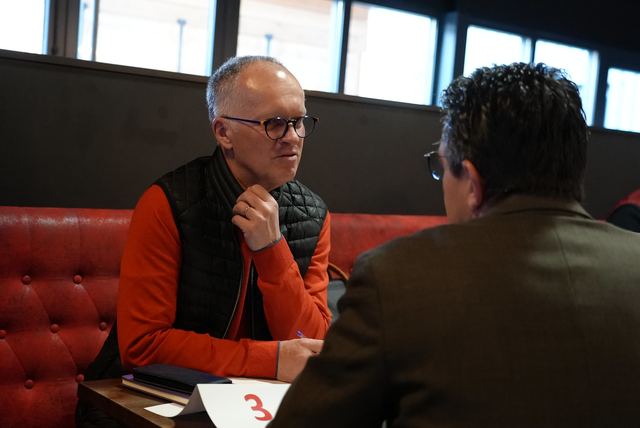
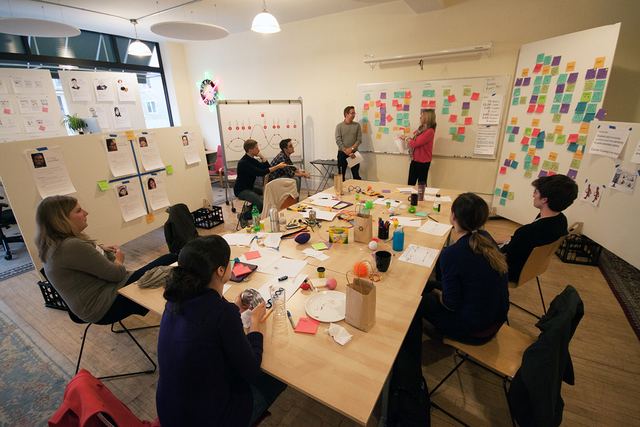
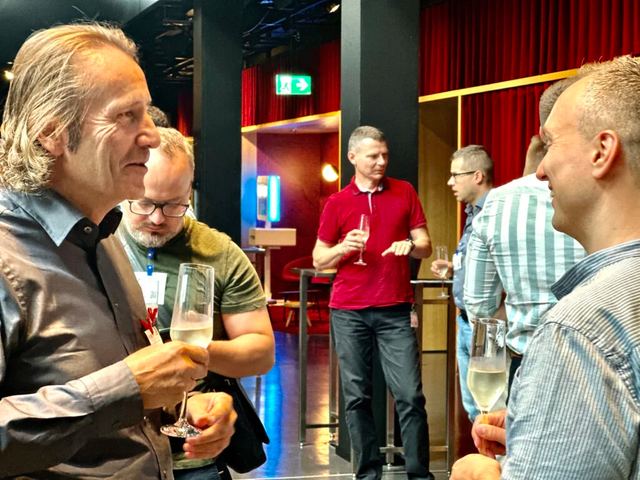
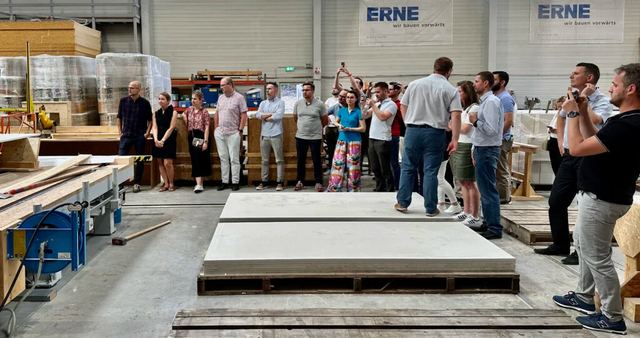
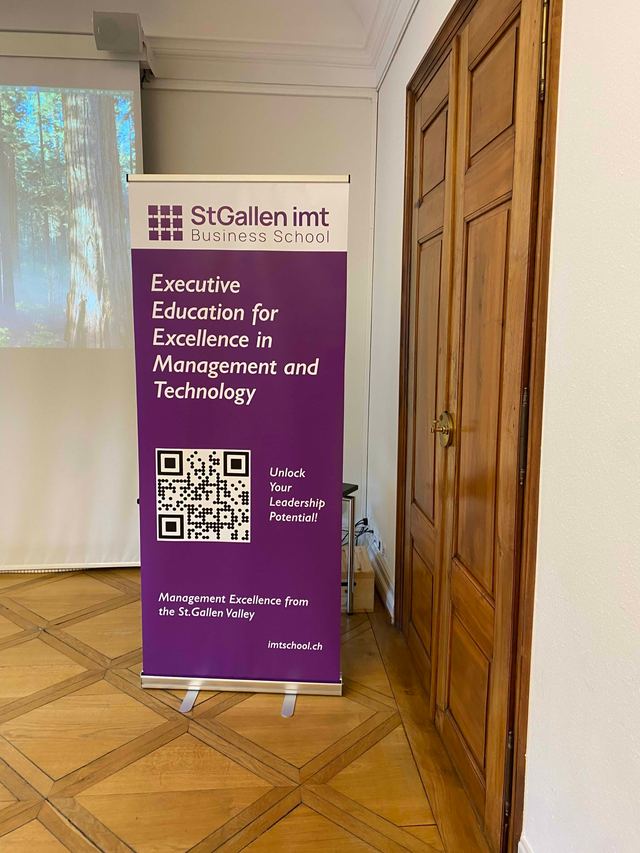
Inspiring workshops, insights into companies such as Google and a unique educational setting in the St. Gallen Valley.

Expertise from academia and practice
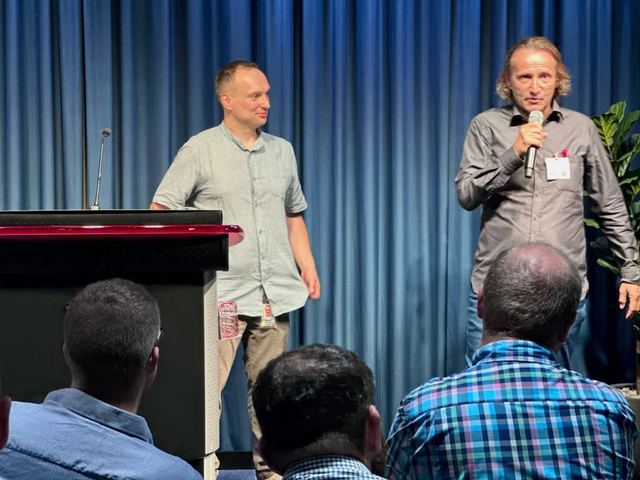
Learn from leading experts from academia and practice – with years of experience in management and strategic leadership.

Prof. Dr. Christian Abegglen
Your contacts
If you have questions about the “Innovation & Future Businesses” management seminar, we are personally here for you.


Download your brochure free of charge
Content, programme structure, dates and fees in one place. Receive the PDF free of charge immediately after submitting the form.